Could a tooth need to be removed? Not all damaged teeth need to be removed, but constant pain, severe decay, infection, crowding, or major damage may mean that tooth extraction in Beverly Hills is needed. Finding these problems early can help prevent more pain and protect your oral health.
Why Would a Tooth Need to Be Removed?
Dentists always try to save natural teeth whenever possible. However, there are situations where removing a tooth may be the healthiest solution.
Common reasons include:
- Severe tooth damage
- Deep decay
- Advanced gum disease
- Impacted teeth
- Serious infection
- Orthodontic treatment needs
Knowing the signs early can help patients seek treatment before problems worsen.
Persistent Tooth Pain
Ongoing tooth pain can be a sign of a dental problem.
Pain that continues for a few days may be caused by:
- Deep cavities
- Nerve problems
- Infection
- Cracks in the tooth
Not every painful tooth needs removal, but a dentist should check any pain that does not go away.
A Tooth That Is Severely Damaged
Accidents, falls, and biting hard objects can sometimes cause major tooth damage.
A tooth may require removal if:
- It is broken below the gum line.
- Large portions are missing.
- Restoration is no longer possible.
In some cases, other treatments may be available, but severe damage can make extraction the safest option.
Advanced Tooth Decay
Decay can often be fixed when it is found early.
However, a badly damaged tooth may not have enough healthy structure left to repair.
Signs of severe decay include:
- Ongoing tooth pain
- Visible holes in the tooth
- Dark spots or colour changes
- Increasing sensitivity
This is one example of when a tooth extraction is necessary to prevent infection from spreading.
Swollen Gums Around a Single Tooth
Swelling near one tooth may indicate a serious issue.
Possible causes include:
- Infection
- Abscess formation
- Severe decay
- Damage beneath the gums
Prompt treatment helps determine whether the tooth can be saved or if removal is needed.
Loose Adult Teeth
Adult teeth should remain stable and secure.
A loose tooth may result from:
- Advanced gum disease
- Bone loss
- Trauma
- Infection
If a tooth no longer has adequate support, extraction may be recommended to protect surrounding structures.
Repeated Dental Infections
Occasional dental infections can often be treated successfully.
However, repeated infections affecting the same tooth may indicate that the tooth cannot be restored effectively.
Warning signs include:
- Swelling
- Pain
- Gum tenderness
- Recurring abscesses
Repeated infections may increase the likelihood of requiring a tooth extraction near you.
Wisdom Teeth Causing Problems
Wisdom teeth are a common reason for extraction.
Removal may be recommended when wisdom teeth:
- Grow at an angle
- Become trapped beneath the gums.
- Cause crowding
- Increase infection risk
Early evaluation can help identify potential concerns before symptoms become severe.
Severe Gum Disease
Gum disease affects the tissues and bone that support teeth.
As gum disease progresses, it may lead to:
- Bone loss
- Gum recession
- Tooth mobility
- Increased infection risk
In advanced cases, tooth removal may be necessary to preserve overall oral health.
Overcrowding Before Orthodontic Treatment
Some orthodontic cases require extra space for proper tooth alignment.
A dentist in Beverly Hills may recommend removing one or more teeth when:
- Teeth are severely crowded.
- Alignment goals cannot be achieved otherwise.
- Bite correction requires additional space.
This type of extraction helps create room for healthier positioning.
What Happens During an Evaluation?
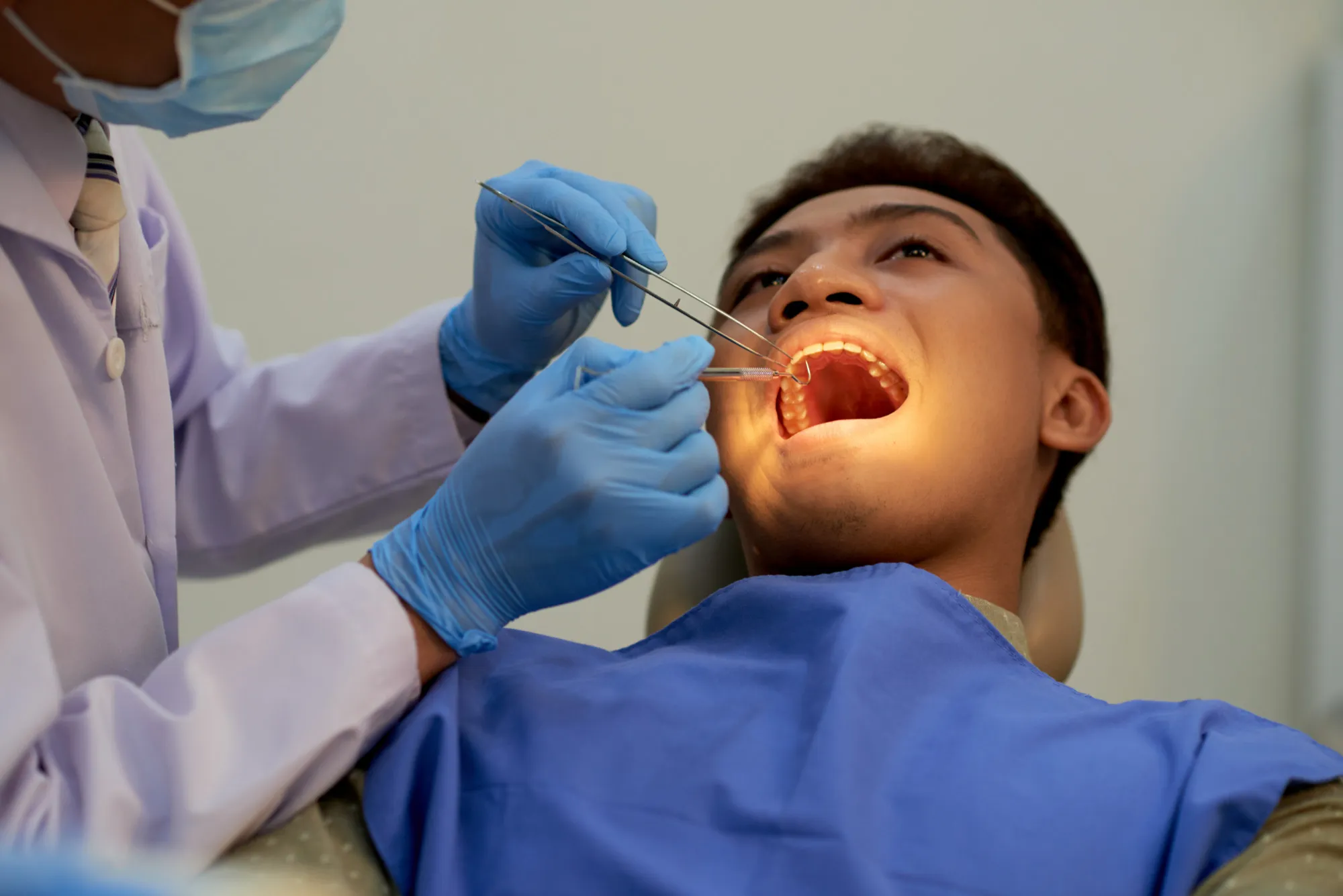
When you visit a dental office near you, the dentist will check your tooth before deciding if it needs to be removed.
The check may include:
- Looking at your teeth and gums
- Taking dental X-rays
- Asking about your symptoms
- Explaining treatment options
The goal is to save the tooth if possible before considering extraction.
What Should You Expect After an Extraction?
Recovery varies depending on the tooth and the complexity of the procedure.
Many patients experience:
- Mild swelling
- Temporary tenderness
- Gradual healing over several days
Following aftercare instructions helps support proper healing and comfort.
Can Every Problem Tooth Be Saved?
Not always.
Modern dentistry offers many ways to restore damaged teeth, but some situations involve damage that is too extensive.
Factors that influence treatment decisions include:
- Amount of remaining tooth structure
- Presence of infection
- Gum health
- Bone support
- Long-term prognosis
The best treatment depends on the specific condition of the tooth.
Protect Your Oral Health With Timely Dental Care!
Finding dental problems early can help prevent pain and bigger issues. A dentist can check your teeth and suggest the right treatment based on your needs. Early care can help protect nearby teeth, improve comfort, and support better oral health. Schedule a consultation with California Smile Maker for personalized dental care and treatment options.
Looking for tooth extraction in Beverly Hills? Visit California Smile Maker for gentle, personalized dental care. Get directions today!
FAQs
What are the common signs that indicate I may need a tooth extraction?
Persistent pain, severe decay, swelling, loose teeth, repeated infections, and major tooth damage are common warning signs.
Is tooth extraction always necessary for a damaged tooth?
No. Many damaged teeth can be repaired with restorative treatments. Extraction is typically considered when repair is no longer possible.
How can I tell if a tooth infection requires extraction?
Signs may include severe pain, swelling, recurring abscesses, and significant damage to the tooth. A dental evaluation is needed to determine the best treatment.
What should I expect during the tooth extraction process?
The area is numbed for comfort, the tooth is carefully removed, and recovery instructions are provided to support healing.